
Land Use Competition: Energy, Agriculture and Forestry
Master the Moment and Reach Your Peak with Defoes
“Land is no longer valued solely for what it can produce today. Its strategic importance lies in balancing food, energy, forestry and ecological outcomes without transferring risk across the system or weakening the long-term resilience on which every land-based opportunity depends.”
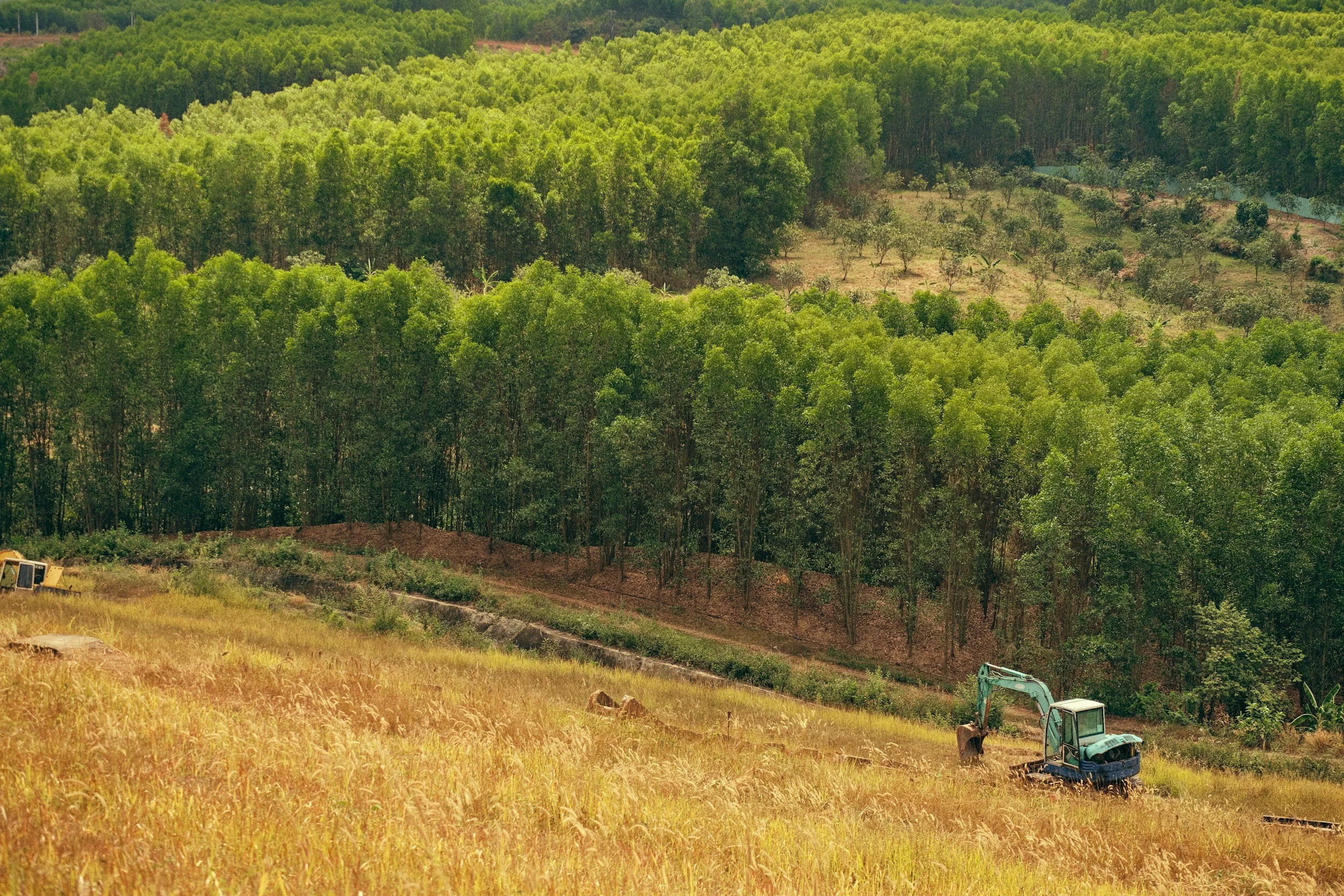
Land is becoming a more contested strategic resource. Agriculture, renewable energy, forestry, biodiversity restoration, carbon storage and development increasingly depend on the same finite areas of productive or ecologically valuable land. For investors, landowners and institutions, this creates both opportunity and complexity. Assets may support multiple income streams or long-term strategic uses, but these uses are not automatically compatible. A decision to prioritise one outcome can constrain another, alter operating costs or create exposure to changing regulation and stakeholder expectations. The central challenge is to understand not simply what land could support, but which combination of uses is credible, resilient and aligned with long-term resource security.
Agriculture remains fundamental because food production depends on stable access to land, water, soil health, labour and supply chains. Rising demand for food, feed and fibre is increasing pressure on existing farmland at the same time as climate disruption affects yields and production reliability. World Resources Institute analysis suggests that, without significant changes in production, consumption and land protection, an area nearly twice the size of India could be converted to agriculture by 2050. This highlights the importance of improving productivity on existing land, protecting high-value ecosystems and avoiding strategies that shift environmental or food-security risk elsewhere.
Energy infrastructure presents a different but related demand. Solar, wind, grid infrastructure and bioenergy projects may strengthen energy security and support decarbonisation objectives. However, their land requirements vary considerably by technology, location and design. Large-scale installations can compete with agricultural production, forestry, habitat protection and local development priorities. The issue is not that energy development should be treated as incompatible with productive land. Rather, each project requires a clear understanding of soil quality, existing land use, grid access, water availability, biodiversity sensitivity and local economic value. Where these factors are overlooked, development can generate conflict, delay and reputational risk.
Forestry adds a further layer of complexity. Forests may provide timber, carbon storage, biodiversity benefits, water regulation and recreational value. Managed forests can also contribute feedstocks for wood products and, in some cases, bioenergy. Yet forestry expansion can create competition with food production where it uses productive agricultural land, while conversion of natural ecosystems can undermine the very climate and biodiversity goals that projects seek to support. The International Energy Agency’s net-zero scenario assumes that no bioenergy crops are developed on forested land and places significant emphasis on sustainable waste streams, residues and strict control of land conversion. This demonstrates that the credibility of a land-use strategy depends on its sourcing, lifecycle evidence and ability to protect ecological systems.
The strongest strategies therefore move beyond a single-use mindset. Agrivoltaics, agroforestry, carefully managed forestry, land restoration and the use of residues or waste streams may offer ways to reduce direct competition. However, these approaches still require site-specific assessment. A solar installation may coexist with grazing in one location but disrupt viable food production in another. A forestry project may improve degraded land and strengthen local supply chains, or it may create pressure on water resources and agricultural livelihoods. The commercial outcome depends on practical detail: land capability, local markets, planning policy, infrastructure, management expertise and the rights and interests of neighbouring communities.
For clients assessing land-based opportunities, the objective should be disciplined integration rather than simple optimisation of a single revenue source. The journey begins with understanding the asset’s productive, environmental and regulatory constraints. It then requires evaluating the interaction between agricultural, energy and forestry uses, including the opportunity cost of each decision. Finally, it involves structuring a strategy that communicates its priorities clearly and can withstand scrutiny from regulators, partners and local stakeholders. Defoes provides the market context and analytical structure that help clients assess these competing demands with greater clarity.
The outcome is not a universal formula for land use. It is a stronger basis for balancing commercial opportunity with food security, resource resilience and credible long-term stewardship.
Disclaimer: The content provided herein is for general informational purposes only and does not constitute financial or investment advice. It is not a substitute for professional consultation. Investing involves risk, and past performance is not indicative of future results. We strongly encourage you to consult with qualified experts tailored to your specific circumstances. By engaging with this material, you acknowledge and agree to these terms.