
Food Security vs Energy Production: Managing the Land-Use Trade-Off
Master the Moment and Reach Your Peak with Defoes
“Food and energy need not be competing land uses by default. The decisive factor is whether a strategy protects productive capacity, recognises ecological limits and evaluates commercial returns through evidence, local context and long-term resource security rather than isolated sustainability claims.”
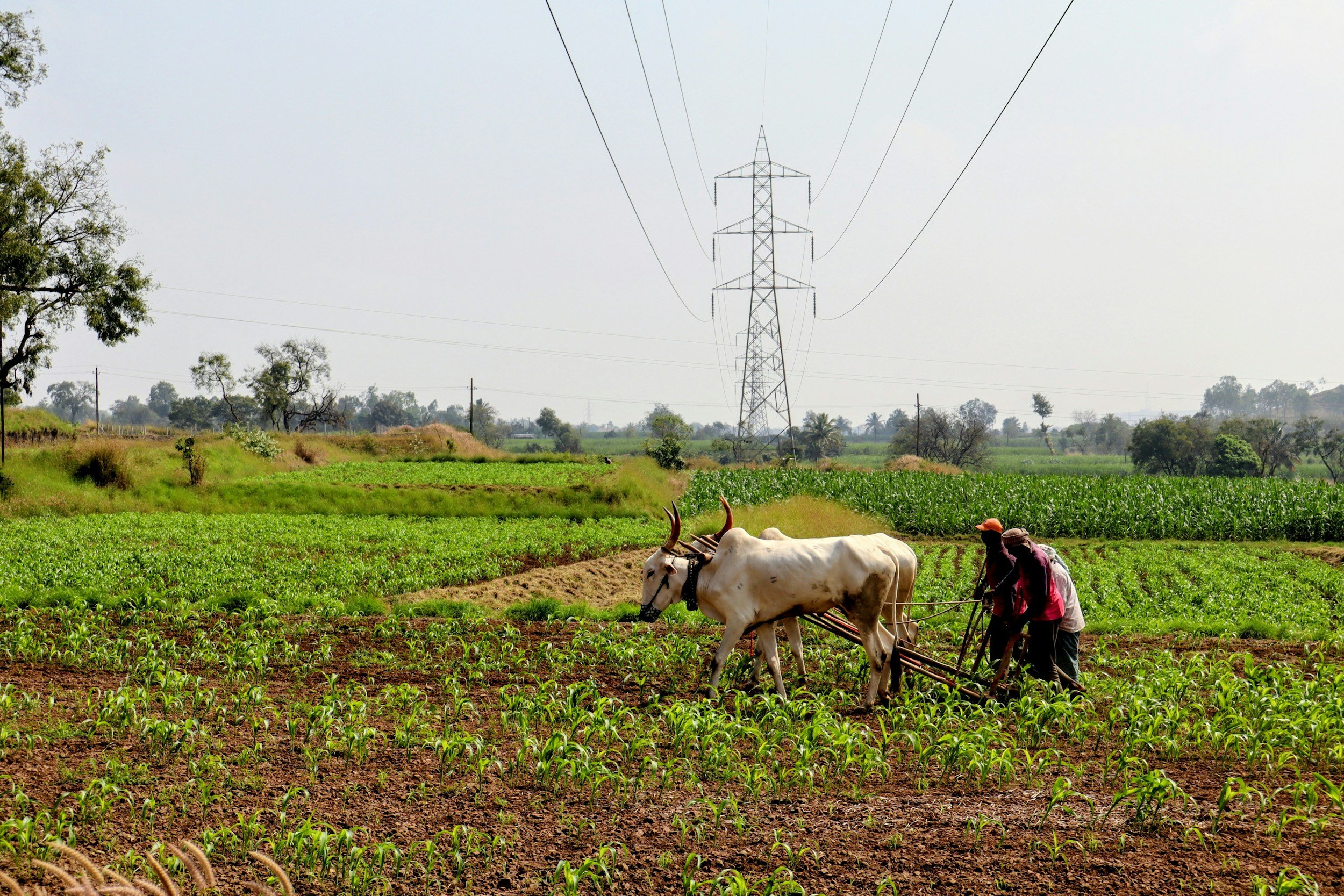
Food security and energy production are increasingly competing for the same finite resources: productive land, water, labour, capital and infrastructure. This is not merely an agricultural issue. It is a strategic consideration for investors, landowners, developers and institutions assessing real assets in a world shaped by population growth, energy transition and climate disruption. Demand for food, feed, fibre, fuel, biodiversity protection and carbon storage is rising simultaneously. The resulting pressure can increase land values and create new revenue opportunities, but it can also expose weak assumptions in land-use strategies. The essential question is not whether food and energy must always compete. It is how a particular asset can balance these uses without displacing essential production, degrading ecosystems or relying on sustainability claims that cannot be substantiated.
Bioenergy sits at the centre of this debate. Crops used for fuel can contribute to energy security and reduce reliance on fossil fuels under suitable conditions. However, dedicated energy crops may compete with food production for arable land, water and agricultural inputs. A systematic review found that the effects of bioenergy on food security vary by feedstock and context, while 56% of reviewed publications reported a negative effect on overall food security. This does not mean every bioenergy project is incompatible with food objectives. It means that project design, location, feedstock and governance are decisive.
Using residues, organic waste or co-products may reduce pressure on agricultural land, while integrated systems can combine food, feed, fibre and energy production. The strongest opportunity is not indiscriminate expansion, but careful identification of feedstocks and land that can meet energy needs without weakening local food availability or affordability. The IEA Bioenergy roadmap projects that waste and residue streams could provide more than 60% of global bioenergy supply, reducing the need for dedicated land use. This highlights the importance of differentiating between land-intensive, crop-based production and systems built around waste, residues or lower-conflict feedstocks.
For landowners and investors, the commercial consequence is greater complexity in assessing future income. A farm or forestry asset may have several potential uses, including food production, renewable-energy infrastructure, biomass supply, habitat restoration and carbon projects. These opportunities are not automatically additive. Allocating land to one use can change yields, operating costs, planning requirements, tax treatment, community relationships and the asset’s exposure to policy change. Solar and wind installations can coexist with certain agricultural activities, but the feasibility depends on site design, grid connection, soil quality, biodiversity safeguards and local consent. Similarly, biomass projects require reliable feedstock supply, processing capacity and credible lifecycle-emissions evidence. A land-use plan should therefore test trade-offs before incorporating new revenue streams into financial expectations.
Food security also has a wider resilience dimension. Price volatility, conflict, drought, flooding, transport disruption and fertiliser availability can affect production and access to food. Land-use decisions that prioritise short-term returns while reducing productive capacity or weakening soil and water systems may create longer-term vulnerability. This is particularly relevant where projects influence local food markets or depend on scarce water resources. Responsible strategies assess social and environmental effects alongside financial outcomes. They consider crop productivity, soil health, water resilience, supply-chain dependencies and how benefits are distributed among local communities. Clear evidence and stakeholder engagement can help distinguish a credible transition project from one that transfers risk elsewhere in the system.
The resolution is a more disciplined approach to land use. Investors and operators can begin by mapping the land’s productive capability, ecological sensitivity, legal rights, market access and infrastructure constraints. They can then assess food, energy and environmental options using consistent assumptions about timeframes, costs, carbon impacts and opportunity cost. Defoes provides structured market insight and clear communication to help clients understand competing priorities, evaluate possible pathways and position their strategy with accuracy. The objective is not to choose food or energy in isolation. It is to build land-use decisions that support resource security, commercial resilience and credible long-term value, while recognising that outcomes remain dependent on policy, climate conditions and local context.
Disclaimer: The content provided herein is for general informational purposes only and does not constitute financial or investment advice. It is not a substitute for professional consultation. Investing involves risk, and past performance is not indicative of future results. We strongly encourage you to consult with qualified experts tailored to your specific circumstances. By engaging with this material, you acknowledge and agree to these terms.