
Hydropower’s Installed Capacity and Modernisation
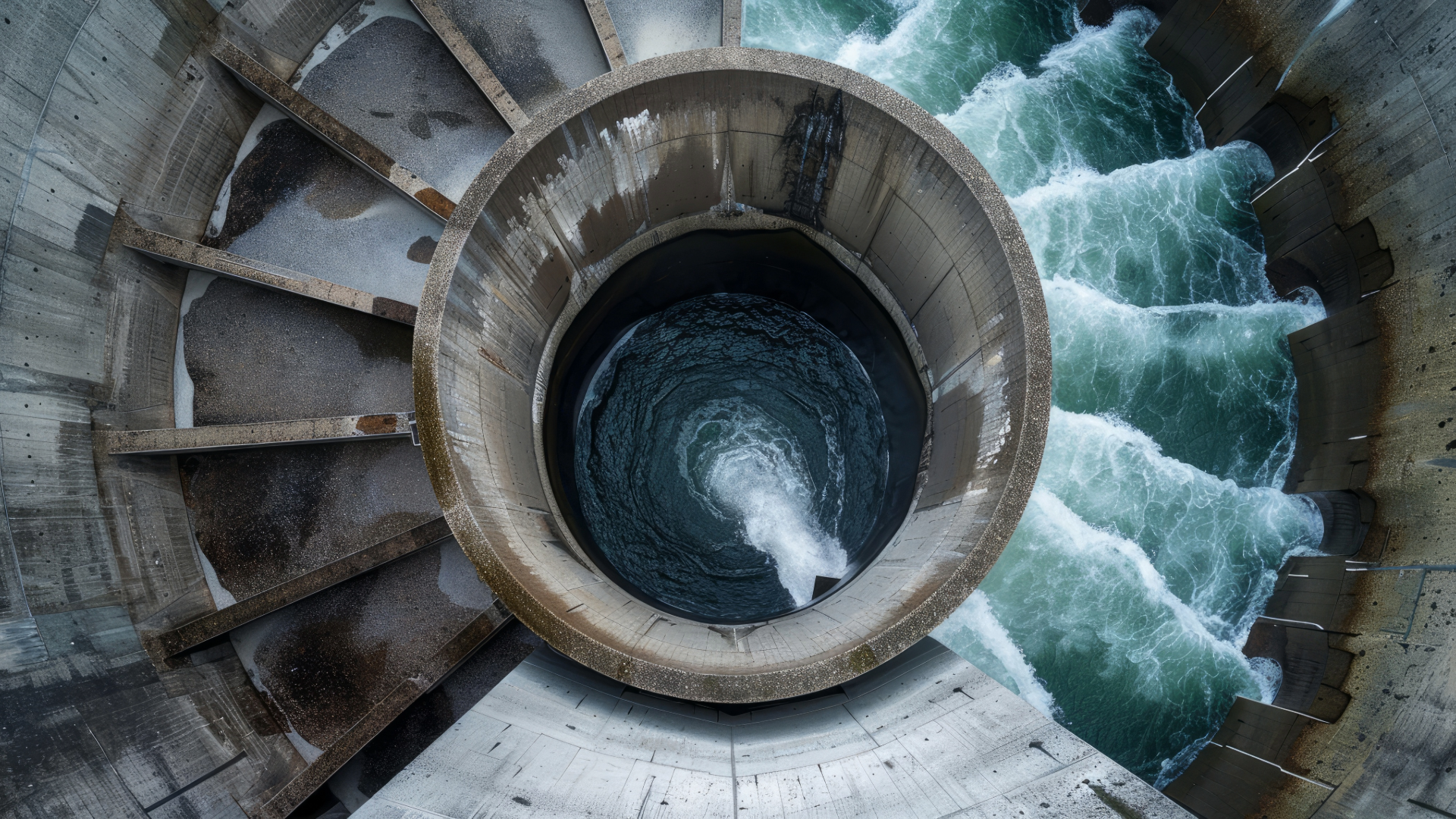
Master the Moment and Reach Your Peak with Defoes
“Defoes looks beyond new dams to the 250‑plus gigawatts Europe already owns — showing how targeted refurbishment, repowering and pumped‑storage upgrades can turn an aging hydropower fleet into one of the most valuable net‑zero assets on the continent.”
Hydropower in Europe is often treated as “done”: the dams are built, the rivers are tapped, and attention has moved to wind, solar and batteries. The data tell a different story. Europe’s installed hydropower capacity stands at roughly 254–262 GW, generating around 500–540 TWh a year and supplying about 16% of the continent’s electricity. ICIS modelling for 2050 suggests that, even without large greenfield expansion, sustainable hydropower output in the EU alone could increase by about 20%, helping to balance a system dominated by intermittent renewables. From a Defoes perspective, the bullish stance is that the key growth lever is not a wave of new mega‑dams, but the systematic modernisation, repowering and digitalisation of an already strategic asset base.
A large, aging fleet with room to grow
Europe’s hydropower fleet is both extensive and mature. Regional profiles from the International Hydropower Association show that Europe hosts more than a quarter of global hydropower capacity, anchored by large fleets in countries such as Norway, France, Spain, Italy and Türkiye. ICIS estimates that the 254 GW of hydropower operating across Europe in 2024 (including non‑EU countries) produced about 512 TWh, and could reach 279 GW and 543 TWh by 2050 under sustainable‑development constraints. That trajectory would keep hydropower’s absolute output rising even as its percentage share of a larger, electrified system declines, and would see it surpass nuclear power generation in Europe’s mix by mid‑century.
Recent additions, though modest compared with wind and solar, underline that capacity is still growing. The 2025 World Hydropower Outlook notes that global hydropower capacity rose by 24.6 GW in 2024, including 16.2 GW of conventional hydropower and 8.4 GW of pumped storage, bringing total global pumped‑storage capacity to 189 GW, up 5% year‑on‑year. Within Europe, Portugal added about 160 MW of new capacity in 2024, while Türkiye led with 241 MW of additions, keeping its position as the continent’s fastest‑growing hydropower market. These are incremental numbers, but they sit atop a fleet whose embedded potential can be significantly unlocked through upgrades rather than large‑scale new build.
Modernisation and repowering: more output, more flexibility
The central opportunity is modernisation. European technical platforms and EU‑funded initiatives argue that refurbishing and repowering existing plants can increase output and flexibility at lower environmental and social cost than new dams. The EU‑funded ReHydro project, for example, is explicitly focused on demonstrating how European hydropower can be refurbished and modernised, highlighting opportunities to upgrade turbines, generators, control systems and ancillary equipment to boost efficiency, flexibility and environmental performance. Industry analyses show that modernisation can deliver capacity uprates of 10–30% at some sites, extend asset lifetimes, and improve ramping capabilities — all without major new civil‑works footprints.
Concrete examples are emerging. A 2025 review of hydropower refits points to large investment programmes in countries such as Austria, where utilities are committing hundreds of millions of euros to expand and modernise existing schemes, often adding new units or converting plants to pumped storage. European strategy papers frame hydropower as a “resilient, secure and sustainable” technology whose modernisation is central to providing the flexibility, reserve and storage services needed in a net‑zero grid. From an investor’s standpoint, these programmes resemble repowering trends in wind: they offer the chance to create new capacity and system value on brownfield sites where grid connections, permits and community relationships already exist.
Installed capacity as strategic infrastructure, not legacy stock
Looking ahead, European and EU‑level assessments emphasise that hydropower’s installed capacity is increasingly being treated as strategic net‑zero infrastructure. Joint letters from Eurelectric and hydropower associations call for hydropower, including pumped storage, to be recognised as a “strategic net‑zero technology” under EU industrial policy, pointing to its dominant share in existing storage and its role in balancing rising volumes of wind and solar. The Joint Research Centre’s modelling finds that meeting flexibility requirements in future European power systems will require not just batteries, but also modernised hydropower and expanded pumped‑storage capacity.
The bullish stance for Defoes is that Europe’s 250‑plus GW hydropower fleet is not a static legacy asset, but a platform for incremental capacity growth, system‑value enhancement and long‑dated cash flows, provided regulation and market design evolve to reward flexibility and refurbishment. Risks remain — from hydrological variability under climate change to environmental and social constraints — but the emerging policy and investment focus on modernisation suggests that a material share of Europe’s net‑zero balancing challenge will be met not by building entirely new technologies, but by upgrading the water‑powered infrastructure it already owns.
Would it be most useful next if we sketch a simple framework for assessing individual hydropower‑modernisation projects (technical, regulatory, revenue‑model factors), or if we zoom into one representative country case such as Norway, France or Türkiye?