
The Forest Dividend: Unveiling the Truth Behind Nature's Wealth
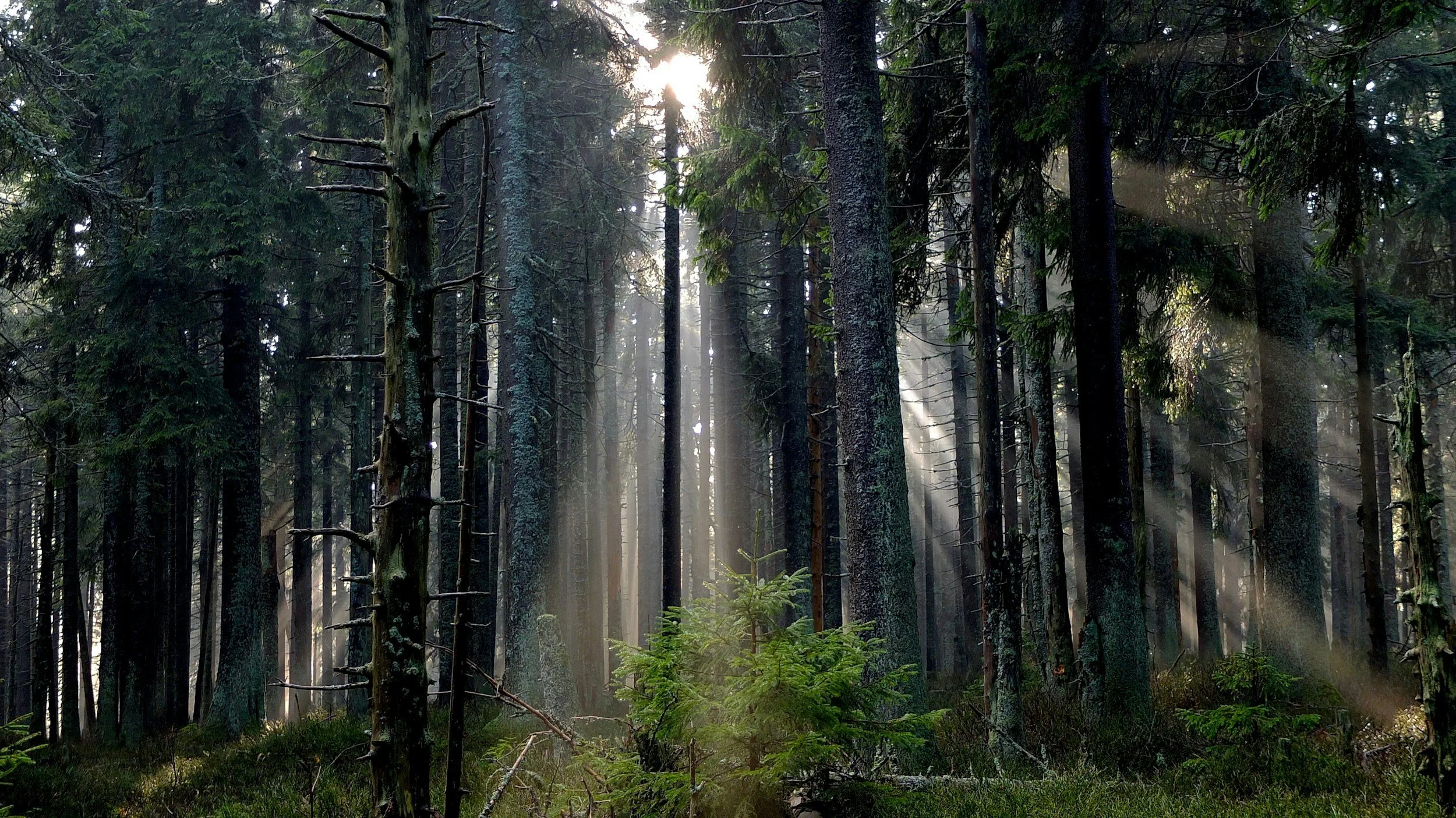
Amid the hustle and bustle of digital assets and unpredictable stock markets, a more understated investment is beginning to flourish. Timberland has surfaced as a compelling alternative investment, offering a remarkable track record of long-term performance.As evidenced by the NCREIF Timberland Index, the sector has achieved average annual returns of around 9.35% over the past 35 years. This performance stands strong against the S&P 500, all while maintaining notably lower volatility. The true worth of timber lies in its fundamental strengths:
Natural Hedge Against Inflation: Timber serves as a safeguard against rising costs.
Uncorrelated Asset: It has the unique characteristic of flourishing even when conventional markets struggle.
The Timber Investment LifecycleThe value of a forest is driven by biological growth, offering a stark contrast to a company's quarterly earnings report. Investing in timber requires patience, following a clear developmental journey that transforms saplings into significant assets:
The Early Years (0–15): This period centres exclusively on biological development. The asset is consistently increasing in volume each day, effectively "storing value on the stump."
The Pulpwood Phase (Year 15+): At approximately 7 inches in diameter, trees transition into their inaugural commercial classification. Thinning generates early revenue for paper and cardboard products, while enabling the remaining trees to thrive.
The Transition to 'Chip-n-Saw' (Year 20+): Medium-sized logs are collected for pulp production and small-scale framing timber, providing a valuable revenue source as the trees mature.
The Sawlog Gold Standard (Years 30–40): This is the ultimate opportunity in timber investing. Large-diameter trees are harvested to produce premium timber for construction projects, typically yielding the greatest financial rewards before the cycle restarts with replanting.
The Revolution of Carbon Rent The timber market is undergoing a pivotal transformation with the evolution of carbon credits. Landowners are now unlocking high-margin revenue while preserving every single tree.
Consistent Annual Return: Numerous large companies are paying landowners "carbon rent"—essentially renting the forest's capacity to absorb carbon dioxide to fulfil their "net-zero" pledges. This provides a consistent annual return that mitigates timber market fluctuations.
Premium Pricing: Nature-based credits of exceptional quality are fetching a premium, with certain forestry initiatives generating annual earnings ranging from $25 to $50 per acre, influenced by the forest's productivity and local market dynamics.
Investment Strategies: Direct vs. Liquid Investors typically face a choice between two distinct paths: a hands-on approach of direct ownership or the more fluid option of market-based liquidity.
Direct Ownership: Acquiring tangible real estate offers reduced property taxes, total autonomy, and the opportunity for recreational activities like hunting and fishing.
Timber REIT Stocks (e.g., Weyerhaeuser (WY) and Rayonier (RYN)): These provide exceptional liquidity paired with dependable dividends, typically yielding between 3% and 4.8%.
Timber ETFs (e.g., iShares Global Timber (WOOD)): These allow for immediate diversification across leading global timber and paper companies.
Mitigating the Risks While the idea of "money grows on trees" is appealing, the industry has challenges, namely natural risks such as pests, disease, and fire.
Minimal Risk: Historical data indicates these risks are minimal, generally affecting just 0.5% of managed timberland each year.
Inherent Safety Net: Biological growth serves as an inherent safety net; even during periods of low prices, the trees persist in their growth, transforming into more valuable sawlogs for future markets.
Conclusion Timber is emerging as more than a mere commodity; it stands as a vital environmental and financial cornerstone. This sector presents a unique blend of tangible growth, protection against inflation, and an exciting opportunity in carbon-based income. For investors with a long-term vision, the forest is shaping up to be an astute destination for capital allocation.
Disclaimer: The content provided herein is for general informational purposes only and does not constitute financial or investment advice. It is not a substitute for professional consultation. Investing involves risk, and past performance is not indicative of future results. We strongly encourage you to consult with qualified experts tailored to your specific circumstances. By engaging with this material, you acknowledge and agree to these terms.