
Timber, Carbon Storage and Standards
Master the Moment and Reach Your Peak with Defoes
“Timber’s value lies not in broad sustainability claims, but in credible evidence: responsible sourcing, durable design, transparent traceability, and a clear view of whole-life impact. Together, these provide a stronger basis for material choices that support resilience and lower-carbon development.”
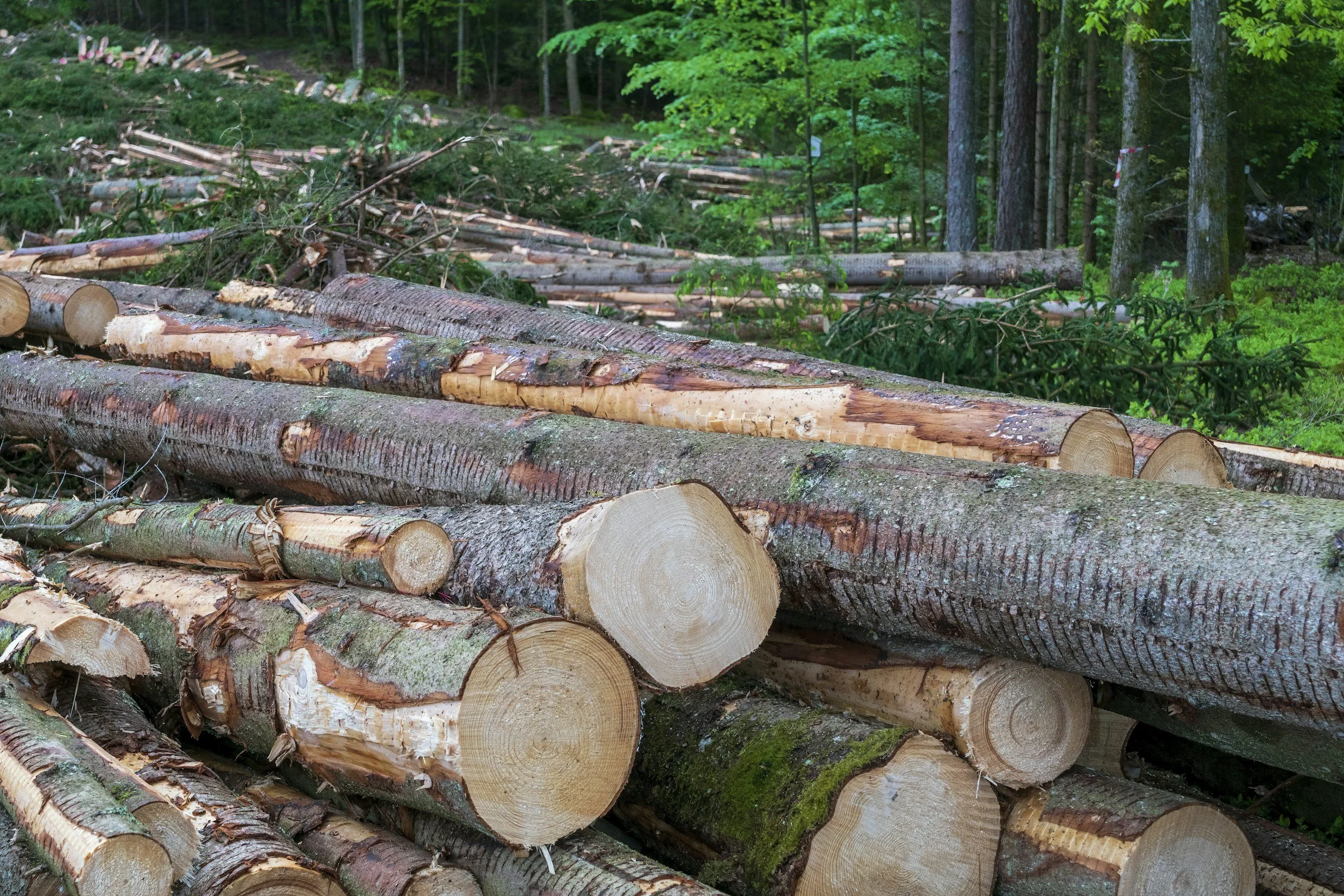
Timber is becoming prominent in discussions about construction, land use and decarbonisation. Its relevance lies in a biological process: growing trees remove carbon dioxide from the atmosphere and store carbon in wood, roots and forest soils. When timber from responsibly managed forests Using timber from responsibly managed forests in durable products allows that carbon to remain stored for the product's entire lifespan. in durable products, that carbon can remain stored for the life of the product. In appropriate applications, timber may also reduce demand for materials whose manufacture is more carbon intensive. However, the environmental benefits of using timber are not guaranteed. A credible assessment must account for forest management, harvesting, processing, transport, building design, maintenance and end of life. For developers, investors and specifiers, the question is not whether timber is universally sustainable. It is whether a source, product and project can demonstrate a responsible, long-term contribution to carbon and resource objectives.
The opportunity is to treat timber as a managed material system rather than a standalone sustainability claim. Carbon storage is durable when wood products remain in service for longer, are maintained and can be repaired, reused or recycled. A structural element designed for disassembly may retain value and avoid premature disposal; a product burnt or decaying will release stored carbon sooner. This makes design choices, material efficiency and circularity commercially relevant as well as environmentally relevant. It places forest renewal at the center of the discussion. Harvesting can form part of sustainable forest management where it is balanced with regeneration, biodiversity protection, soil care and resilience. Unsupported claims about carbon neutrality or permanent storage can weaken stakeholder confidence. Organisations need evidence that explains the claim’s conditions, calculation limits and actions being taken to manage them.
Policy and standards increasingly make this evidence a market-access requirement. The UK Forestry Standard is the benchmark for sustainable forest management in the United Kingdom. It covers biodiversity, water, soils, landscape and climate change, and informs conditions attached to forestry permissions and grants. For imported timber, the UK Timber Regulations prohibit illegally harvested timber from The UK Timber Regulations prohibit the placement of illegally harvested timber on the Great Britain market. on the Great Britain market. Operators must carry out due diligence through supply-chain information, risk assessment and mitigation. Certification schemes such as FSC and PEFC can support responsible procurement and chain-of-custody assurance but do not replace a business’s scrutiny of supply chains and claims.
Compliance is also changing for businesses trading into the European Union. The EU Deforestation Regulation applies to large and medium operators from 30 December 2026 and to micro and small operators from 30 June 2027. It will require covered timber products to be deforestation-free, legally produced and supported by due-diligence information. This increases the value of reliable origin data, supplier engagement and transparent records. Early supply-chain mapping helps companies identify gaps before requirements take effect. The challenge extends beyond administration. Incomplete traceability can delay commercial relationships, complicate procurement processes, and undermine sustainability messaging.
For decision-makers, timber can connect construction, carbon and resource use through disciplined interpretation. A well-supported timber strategy identifies the intended function of the material, verifies its legal and responsible origin, considers whole-life impacts and avoids overstating outcomes that depend on future conditions. This approach helps audiences distinguish meaningful progress from broad environmental language. It can also strengthen conversations with customers, regulators, lenders and stakeholders who increasingly expect sustainability claims to be clear, specific and capable of verification. The resolution is greater confidence in material choices: not certainty, but a stronger basis for evaluating where timber can contribute to long-term resilience and lower-carbon development.
That process does not prescribe a single procurement decision. It provides organisations a framework for asking the right questions, documenting the answers and communicating material choices in a manner that is proportionate, transparent and credible.
Disclaimer: The content provided herein is for general informational purposes only and does not constitute financial or investment advice. It is not a substitute for professional consultation. Investing involves risk, and past performance is not indicative of future results. We strongly encourage you to consult with qualified experts tailored to your specific circumstances. By engaging with this material, you acknowledge and agree to these terms.