
Scandinavia as Europe’s Green Energy Hub
Master the Moment and Reach Your Peak with Defoes
“Scandinavia’s long-term energy relevance rests not only on renewable generation, but on its ability to balance, store and export power across borders. In an electrifying Europe, grid access and system flexibility may prove as valuable as generation capacity itself.”
Scandinavia occupies a distinctive position in Europe’s energy transition. Its combination of established hydropower, growing wind capacity, interconnected electricity markets and proximity to major demand centres gives the region strategic importance well beyond its own borders.
For internationally minded investors and families, the opportunity is not simply to follow the energy transition. It is to understand how dependable natural resources, grid infrastructure and cross-border market access may influence the long-term relevance of real assets across Northern Europe.
A System Built on Flexibility
The Nordic power system is shaped by a diverse generation mix in which hydropower, nuclear power and wind are the principal sources. More than half of regional electricity production comes from hydropower. This matters because hydroelectric reservoirs can provide a degree of flexibility that is difficult to replicate in systems dominated by intermittent generation alone.
When wind output is abundant, hydropower generation can in some cases be conserved. When wind conditions weaken or demand rises, hydroelectric output can help balance the system. The relationship is not seamless, and it depends on rainfall, reservoir levels, transmission capacity and market conditions. Yet this combination gives the region a practical advantage as Europe seeks to integrate larger volumes of variable renewable generation.
Norway’s hydropower resources have historically supported energy-intensive industry, underlining the connection between reliable electricity supply and wider economic development. The International Energy Agency has also identified the need for a robust regulatory framework to support further offshore-wind deployment in Norway.
For clients evaluating infrastructure, industrial property or natural-resource exposure, energy flexibility can affect location attractiveness, tenant demand and long-term operating resilience.
Wind Becomes a Regional Asset
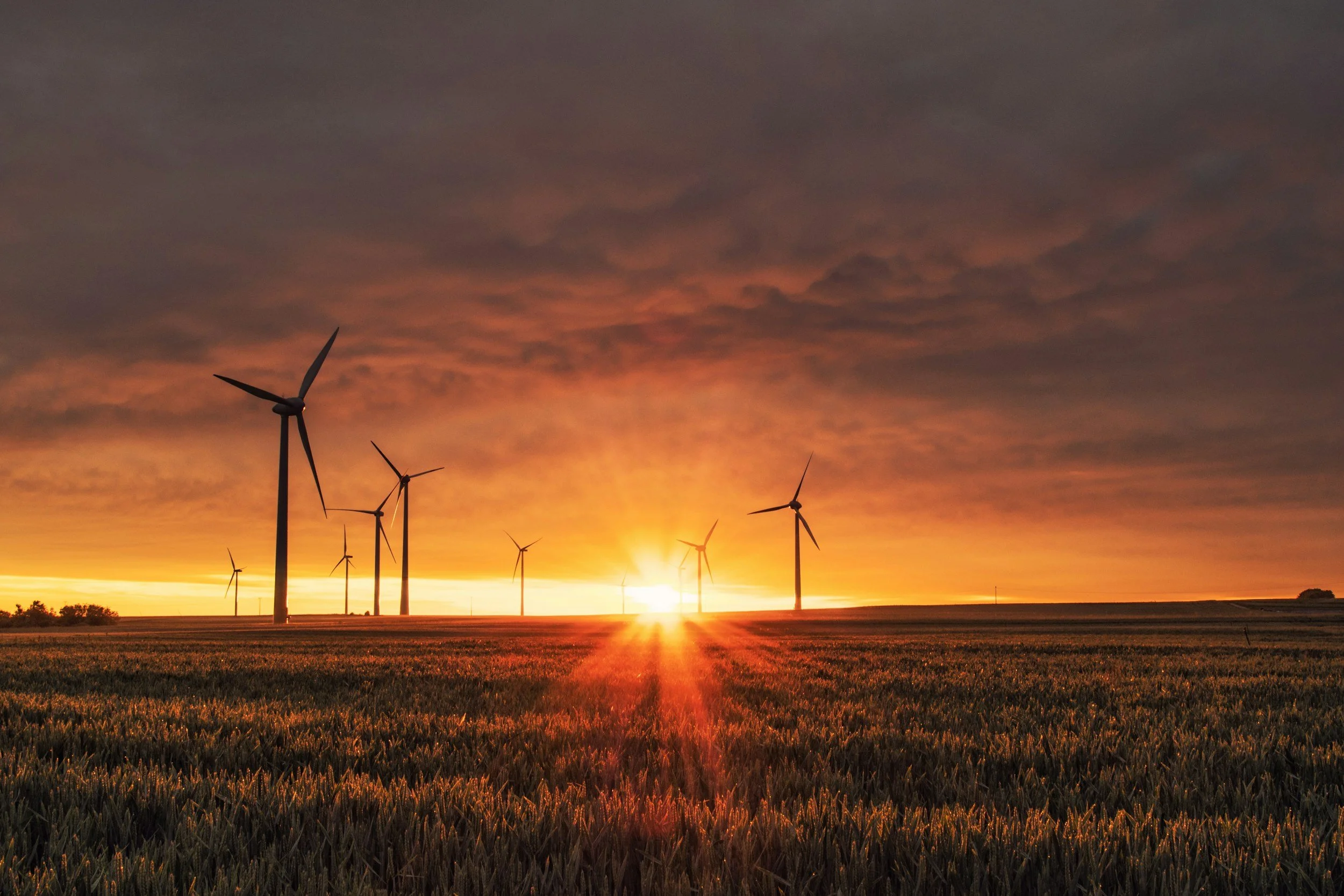
Wind power is broadening Scandinavia’s role from a renewable-energy producer to a potential balancing and export hub. Denmark has long been associated with offshore wind, while Sweden and Norway have expanded onshore wind capacity and continue to examine further opportunities across the region.
The investment case is not simply about adding turbines. Wind generation requires access to grids, ports, vessels, transmission equipment, supply chains and planning consent. Offshore development, in particular, depends on coordinated infrastructure and long project timelines.
The European Commission’s North Seas Energy Cooperation brings together countries including Denmark, Norway and Sweden to support offshore electricity and hydrogen-grid development and to advance the area’s substantial renewable-energy potential. Its stated purpose includes facilitating cost-effective offshore renewable deployment and stronger interconnection between participating countries.
This regional framework shows that the next phase of wind power is increasingly a system-level question. The value of a project may be shaped as much by its connection point and export route as by the quality of the wind resource itself.
Grid Exports and Cross-Border Access
Scandinavia’s strength rests partly on connectivity. The Nordic countries are linked through physical interconnectors and integrated market arrangements, enabling electricity to move across borders in response to supply, demand and pricing conditions. Norway’s national energy information service describes the Nordic market as integrated with the wider European system through links to the Netherlands, Germany, the United Kingdom, the Baltic states and Poland.
Cross-border trade can improve efficiency by allowing surplus generation to reach neighbouring markets and by providing access to imports during periods of lower domestic supply. It can also create exposure to price volatility, transmission congestion, drought conditions and regulatory change.
The underlying lesson is that grids are no longer merely a utility function. They are strategic infrastructure. As Europe electrifies transport, heating and industry, the ability to transport, store and balance power may become as important as the ability to generate it.
For long-term asset owners, this may affect the relative value of industrial sites near grid capacity, ports suited to offshore-wind logistics, land positioned for substations or storage, and property in regions with resilient power access.
A Disciplined Route Forward
Scandinavia’s green-energy position is supported by real advantages, but it should not be viewed as risk-free. Hydropower depends on weather patterns. Wind projects face consenting, supply-chain and construction challenges. Grid buildout can be slow, expensive and politically sensitive. Electricity-market outcomes can change as neighbouring countries add generation and strengthen their own networks.
The client’s task is therefore to move beyond the headline. First, understand the underlying energy system and the source of its resilience. Second, evaluate the physical infrastructure, regulatory context and commercial risks around a specific asset or opportunity. Third, access relevant markets through specialist advice and appropriate due diligence.
Defoes supports this process by helping clients interpret structural trends in real assets with discipline and perspective. Scandinavia’s energy system offers a compelling example of how natural resources, infrastructure and regional cooperation can create long-term strategic relevance—provided the detail is assessed carefully.
Disclaimer: The content provided herein is for general informational purposes only and does not constitute financial or investment advice. It is not a substitute for professional consultation. Investing involves risk, and past performance is not indicative of future results. We strongly encourage you to consult qualified experts tailored to your specific circumstances. By engaging with this material, you acknowledge and agree to these terms.