
Ground Truth: A Decade of Private Capital Flowing Into Nature
Master the Moment and Reach Your Peak with Defoes
"Private investment in nature-based assets has grown roughly fivefold since 2016, from $2.8 billion to more than $14 billion by 2025, yet Africa and Asia remain considerably underfunded despite comparable, or often stronger, ecological relevance and genuinely long-term structural promise."
Ten years of data now tell a clear story about where private capital believes durable value in nature resides. According to Forest Trends and The Nature Conservancy's Gaining Ground report, private investment in nature-based assets has grown roughly fivefold since 2016, rising from $2.8 billion that year to more than $14 billion in 2025. The report analysed 1,918 individual investments totalling $62.7 billion over the decade.
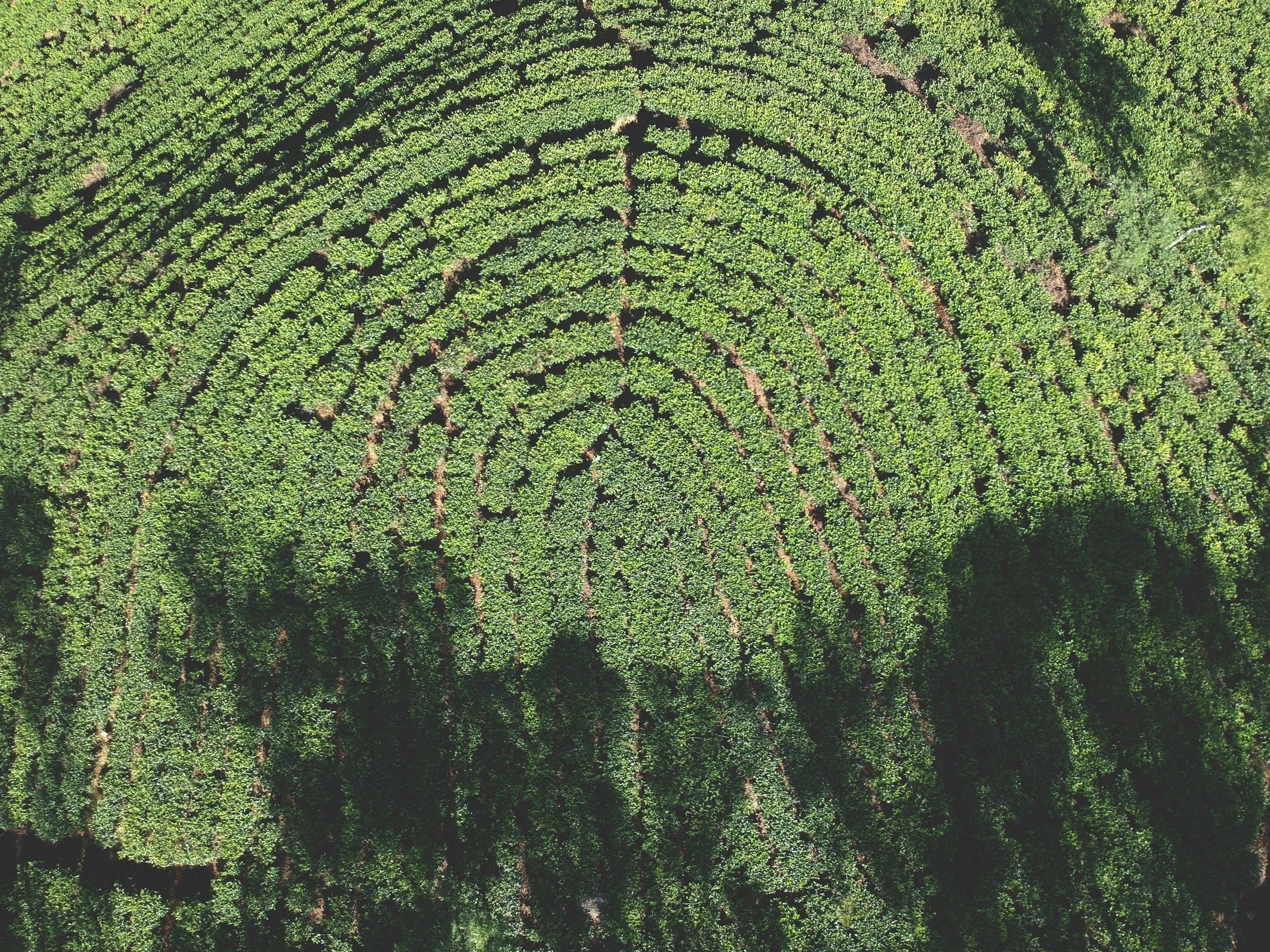
The composition of that capital is as telling as its growth. More than half was directed toward working landscapes, sustainable agriculture and forestry among them, where nature operates as functional infrastructure rather than a conservation cause. These are systems that produce timber, secure water supplies and underpin food production, generating income alongside ecological benefit rather than depending on grants or philanthropy to remain viable.
For the investor at the centre of this story, a family office or allocator seeking durable, income-generating exposure outside listed markets, the mission is to access assets with genuine physical scarcity and long-term structural demand. Working landscapes fit that description closely: land is finite, demand for timber and agricultural output continues to grow with global population, and returns are shaped by biological cycles largely detached from financial market sentiment.
The obstacle has been geographic and structural. Capital has concentrated heavily in markets with established land tenure and mature forestry sectors. Latin America alone attracted more than $15 billion of the decade's total flows, reflecting confidence in the region's institutional and legal frameworks for large-scale land investment. Africa and Asia, despite comparable or stronger ecological relevance and, in several cases, more favourable growing conditions, remain considerably underfunded by comparison.
That imbalance carries two implications for investors. It highlights a genuine risk, since underdeveloped markets often mean less mature governance, data and exit pathways. It also signals a longer-term opportunity for those prepared to evaluate less-crowded geographies with appropriate diligence, rather than defaulting to the most familiar markets simply because they are the most liquid or well-documented.
This is where a guide becomes valuable. Specialist platforms and advisers can help investors assess landscape quality, land rights and sustainable management standards across different jurisdictions, translating a complex and illiquid asset class into a more structured proposition. The typical path involves three steps: understanding the fundamentals and risks of nature-based land investment, evaluating specific opportunities against personal objectives and time horizon, and accessing exposure through professionally managed, appropriately structured vehicles.
The resolution for investors is not a guaranteed financial outcome but a clearer, better-informed view of how capital is currently distributed across nature-based assets and where meaningful gaps between ecological relevance and investment flow still exist. That clarity supports more deliberate portfolio construction rather than reliance on broad thematic assumptions about sustainability investing.
The higher purpose lies in resilience. As pressure on land, water and timber resources continues to build globally, working landscapes positioned early and thoughtfully within a diversified real assets allocation may offer a genuinely different risk and return profile from conventional financial holdings, one rooted in physical scarcity rather than market cycles.
Scale also matters for context. The $62.7 billion tracked across nearly 1,918 investments since 2016 remains modest relative to global real assets markets overall, suggesting nature-based capital is still an emerging rather than a mature category. Investors entering now are participating in a market still establishing its own benchmarks, liquidity norms and standard due diligence practices.
Nature-based investment carries specific risks, including illiquidity, valuation complexity and exposure to regulatory and environmental variables that vary considerably by jurisdiction. Past performance does not guarantee future results, and decisions regarding exposure to this asset class should be made independently or in consultation with a regulated financial adviser.
Disclaimer: The content provided herein is for general informational purposes only and does not constitute financial or investment advice. It is not a substitute for professional consultation. Investing involves risk, and past performance is not indicative of future results. We strongly encourage you to consult qualified experts tailored to your specific circumstances. By engaging with this material, you acknowledge and agree to these terms.