
Geothermal Energy: Baseload Advantages vs Intermittency
Master the Moment and Reach Your Peak with Defoes
“Defoes steps back from hourly renewables charts to focus on what systems actually need — showing how continuous, high‑capacity‑factor geothermal reshapes the maths on storage, backup and grid spend in a way that intermittent wind and solar simply cannot.”
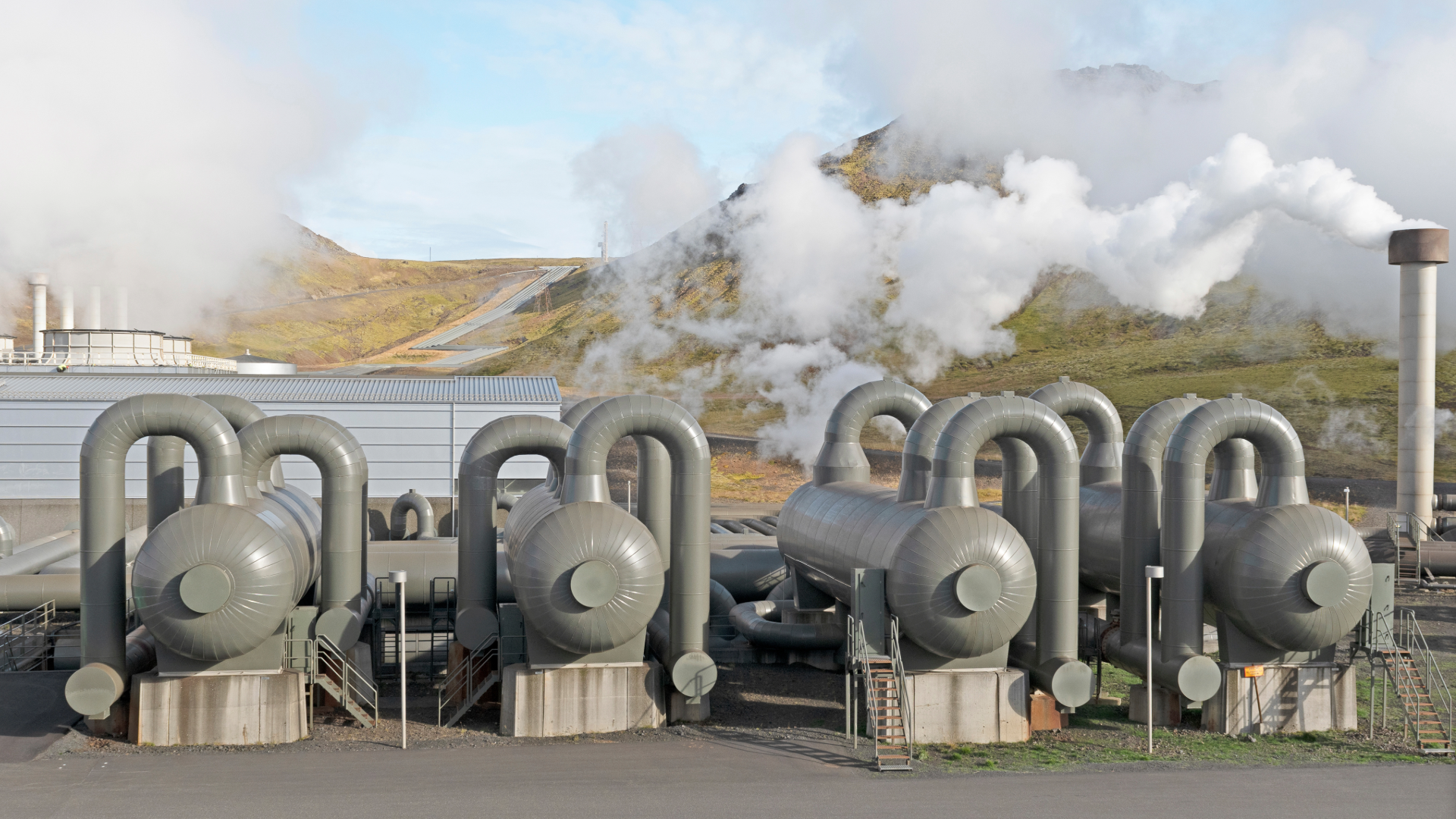
In an energy system dominated by debates around wind and solar variability, geothermal occupies a structurally different niche. It is a renewable resource that behaves like conventional baseload, delivering continuous output anchored in the Earth’s constant heat rather than the weather. Industry analyses describe geothermal as providing power “24 hours a day, 7 days a week, regardless of weather conditions,” making it a stable foundation for the grid rather than a variable contributor. From a Defoes perspective, the bullish stance is that as power systems decarbonise, the market will place growing value on geothermal’s non‑intermittent profile, even if project‑level risks remain significant.
What “baseload” really means for geothermal
Baseload is less about technology labels and more about operational behaviour. A baseload resource can run continuously at high utilisation, providing a predictable floor of generation. Geothermal plants tap the Earth’s subsurface heat, which is effectively constant on human timescales, allowing them to maintain high capacity factors independent of day–night cycles or seasonal weather. Technical and policy papers on deep geothermal emphasise that it can supply “valuable, renewable base load energy around the clock, regardless of the time of day or climate,” positioning it as an ideal complement to variable wind and solar.
By contrast, solar and wind are inherently intermittent, driven by irradiance and wind speed patterns that cannot be controlled. They require backup, storage or demand‑side flexibility to guarantee supply in low‑resource periods. System‑planning work on firm low‑carbon resources shows that portfolios including non‑intermittent technologies — such as geothermal, hydro and nuclear — can achieve deep decarbonisation at lower overall system cost than portfolios relying almost entirely on variable renewables plus storage. The implication for investors is that geothermal’s value cannot be captured by levelised cost of energy (LCOE) alone; its contribution to reliability, adequacy and reduced storage requirements matters materially for system economics.
Baseload and flexibility in modern geothermal
The baseload label does not mean inflexible. Recent research on enhanced geothermal systems (EGS) shows that engineered reservoirs can operate both as steady baseload and as flexible resources, throttling wellhead production or bypassing power plants to adjust output. A 2024 techno‑economic assessment of EGS across the contiguous United States found that under “business‑as‑usual” assumptions, EGS could provide tens of thousands of gigawatts of potential capacity, much of it at lower levelised cost than alternative low‑carbon options in certain regions. When flexible dispatch modes were considered, the potential increased significantly, with large volumes of EGS able to supply both firm and balancing energy.
This dual capability changes the way geothermal fits into high‑renewables systems. Instead of being locked into flat output, EGS‑based plants can provide a stable baseline while also ramping within limits to accommodate solar and wind swings. In grid‑planning terminology, that places geothermal within the category of “firm low‑carbon resources” that can shoulder adequacy obligations and provide ancillary services, roles currently dominated by fossil plants. For markets moving towards capacity mechanisms or resource‑adequacy payments, this operational profile underpins revenue streams that intermittent renewables generally cannot access without hybridisation.
Land footprint, system integration and value beyond LCOE
Another often overlooked baseload advantage is power density. Analyses of geothermal land use show that utility‑scale geothermal plants typically require between 1 and 8 acres per megawatt, with around 5,000 acres (just under eight square miles) sufficient to generate 1 gigawatt of continuous electricity. Because geothermal’s output is steady, the effective energy per unit of land over a year is very high, placing its surface impact “in a class with nuclear power” when measured by stable energy output rather than nameplate capacity. By comparison, wind and solar require much larger areas to capture diffuse, intermittent resources.
Corporate and engineering assessments argue that this high power density and minimal surface impact make geothermal particularly well suited to densely populated or land‑constrained regions where large new wind or solar farms face siting challenges. Service‑sector commentary from companies specialising in subsurface technologies notes that non‑intermittent generators like geothermal can command higher capacity and adequacy payments than intermittent renewables, reflecting their system value. In practice, that means geothermal assets in supportive markets can stack revenues from energy, capacity, and sometimes ancillary services, which can offset higher upfront capital costs and exploration risk.
Intermittency, risk and a selective bullish case
The bear case rests on project‑level risk rather than resource behaviour. Exploration uncertainty, drilling cost overruns and induced seismicity concerns can undermine individual projects, especially in new basins or early EGS developments. Intermittent renewables, by contrast, are modular and widely standardised, with well‑understood cost curves and low per‑site failure risk. In markets with weak capacity pricing or limited recognition of firm‑resource value, geothermal’s baseload advantages may not translate into adequate returns, leaving projects dependent on concessional finance or bespoke contracts.
Even so, the structural system drivers lean in geothermal’s favour. As more jurisdictions adopt net‑zero targets and push fossil generators off the system, the need for firm, low‑carbon capacity that can run independently of weather will increase rather than diminish. Deep‑geothermal advocates in countries such as Switzerland explicitly frame it as an “important cornerstone” of national energy strategies, precisely because it can supply constant, indigenous, low‑carbon energy without emissions or waste and with relatively low material intensity. From a Defoes perspective, the bullish stance is selective but clear: in markets that properly price reliability and resource adequacy — through capacity markets, contracts for firm low‑carbon supply, or integrated planning that values reduced storage and grid costs — geothermal’s baseload characteristics are poised to command a growing premium over purely intermittent options, even as both remain essential to the overall transition.
Disclaimer: The content provided herein is for general informational purposes only and does not constitute financial or investment advice. It is not a substitute for professional consultation. Investing involves risk, and past performance is not indicative of future results. We strongly encourage you to consult with qualified experts tailored to your specific circumstances. By engaging with this material, you acknowledge and agree to these terms.