
China, Solar and the New Shape of Energy Capital
Master the Moment and Reach Your Peak with Defoes
"Global energy investment is set to hit a record $3.4 trillion in 2026, with $2.2 trillion flowing to clean technologies, as China's solar capacity overtakes coal and global clean energy capex heads toward a record $180 billion this year alone."
Global energy investment is on track to reach a record $3.4 trillion in 2026, according to the International Energy Agency, with clean technologies absorbing roughly $2.2 trillion of that total against $1.2 trillion for fossil fuels. The scale of that gap illustrates how firmly capital has shifted toward the energy transition, even amid geopolitical volatility and shifting policy priorities.
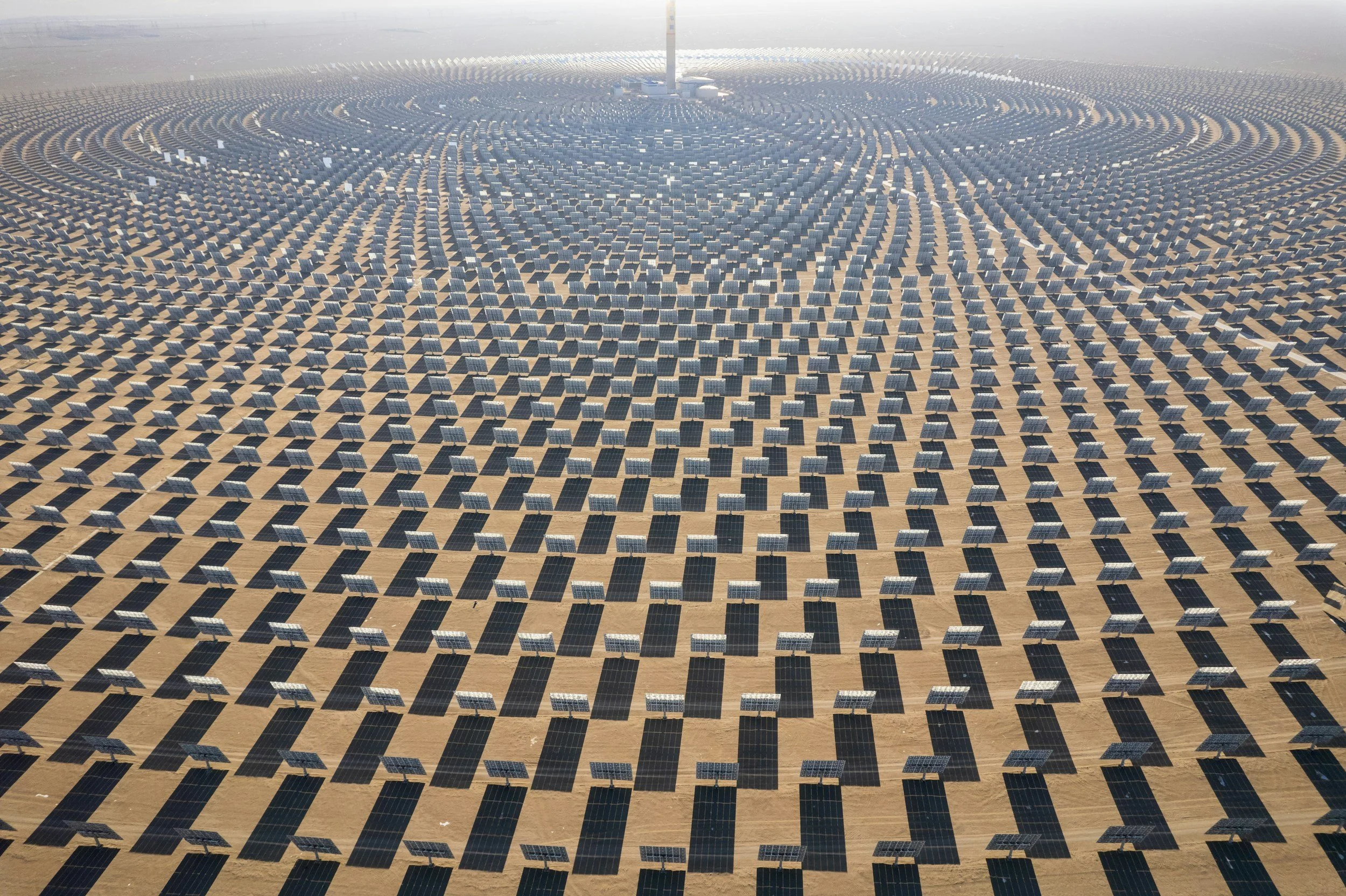
China remains the dominant force behind this buildout. The country's installed solar capacity reached 1.27 billion kilowatts by mid-2026 and is on track to overtake coal as its largest source of installed power capacity before year end, according to the China Photovoltaic Industry Association. Solar generation surged more than 40 per cent year on year in the first half of 2026, and coal-fired power accounted for less than half of total electricity generation for the first time on record over the same period.
For the investor at the centre of this story, an allocator seeking exposure to structural, long-term demand rather than short-term commodity cycles, the mission is to understand where durable capital flows are concentrated and what that concentration means for portfolio construction. Clean energy capital expenditure is tracking toward a record $180 billion in 2026, according to Crux's mid-year market intelligence, with China controlling more than half of global capacity.
The obstacle lies in complexity and pace of change. Policy shifts, such as China's move from guaranteed pricing to competitive bidding for solar, are already reshaping near-term deployment figures, and BloombergNEF projects a modest first global slowdown in annual solar additions in two decades as a result. Understanding these near-term fluctuations matters, because headline growth figures can obscure genuine shifts in market structure and investment risk.
Geographic concentration also introduces a further consideration. With advanced economies and China expected to account for more than 70 per cent of 2026 energy investment, exposure to the transition remains heavily weighted toward a small number of markets, even as private enterprise involvement grows steadily across emerging economies.
This is where a guide becomes valuable. Specialist analysis can help investors distinguish between cyclical policy-driven fluctuations and the underlying structural direction of the transition, assess where geographic and technology concentration creates risk, and identify how energy infrastructure fits within a broader, diversified allocation to real assets. The path typically follows three steps: understand where capital is flowing and why, evaluate the durability of that flow against policy and demand fundamentals, and access exposure through appropriately structured, professionally managed vehicles.
The direction of travel remains clear despite near-term volatility. Falling technology costs have made solar, storage and electric vehicles increasingly accessible across emerging and developing economies, nearly doubling their share of total energy investment outside China over the past decade, according to IEA data.
The resolution for investors is not a guaranteed outcome but a clearer view of where genuine structural demand is building, distinct from short-term headlines about slowing growth rates in any single market. The higher purpose lies in positioning portfolios toward an energy system already undergoing sustained, capital-intensive transformation, one likely to continue reshaping infrastructure and resource markets for decades to come.
Trade flows reinforce this picture. Chinese exports of solar panels, batteries and electric vehicles have hit record highs through 2026, with panel exports rising sharply month on month and fifty countries setting all-time records for Chinese solar imports in a single reporting period. That export momentum suggests the transition's reach now extends well beyond any single domestic market.
Energy transition investment carries specific risks, including policy shifts, technology cost volatility and geographic concentration. Past performance does not guarantee future results, and decisions regarding exposure to this theme should be made independently or in consultation with a regulated financial adviser.
Disclaimer: The content provided herein is for general informational purposes only and does not constitute financial or investment advice. It is not a substitute for professional consultation. Investing involves risk, and past performance is not indicative of future results. We strongly encourage you to consult with qualified experts tailored to your specific circumstances. By engaging with this material, you acknowledge and agree to these terms.