
Biomass Energy: Bridge Fuel or Policy Dead‑End?
Master the Moment and Reach Your Peak with Defoes
“Defoes separates physics from politics on biomass — clarifying where this ‘renewable’ still fits into the energy transition and where tightening policy may turn today’s bridge into tomorrow's dead end.
Biomass sits at an awkward point in the energy transition debate: criticised in parts of the climate community but still treated by policymakers and system planners as a useful, dispatchable renewable. On the evidence today, the trajectory looks more like “disciplined bridge” than a policy dead‑end — especially where projects are built on wastes, residues and robust sustainability rules.
What biomass is — and why it still matters
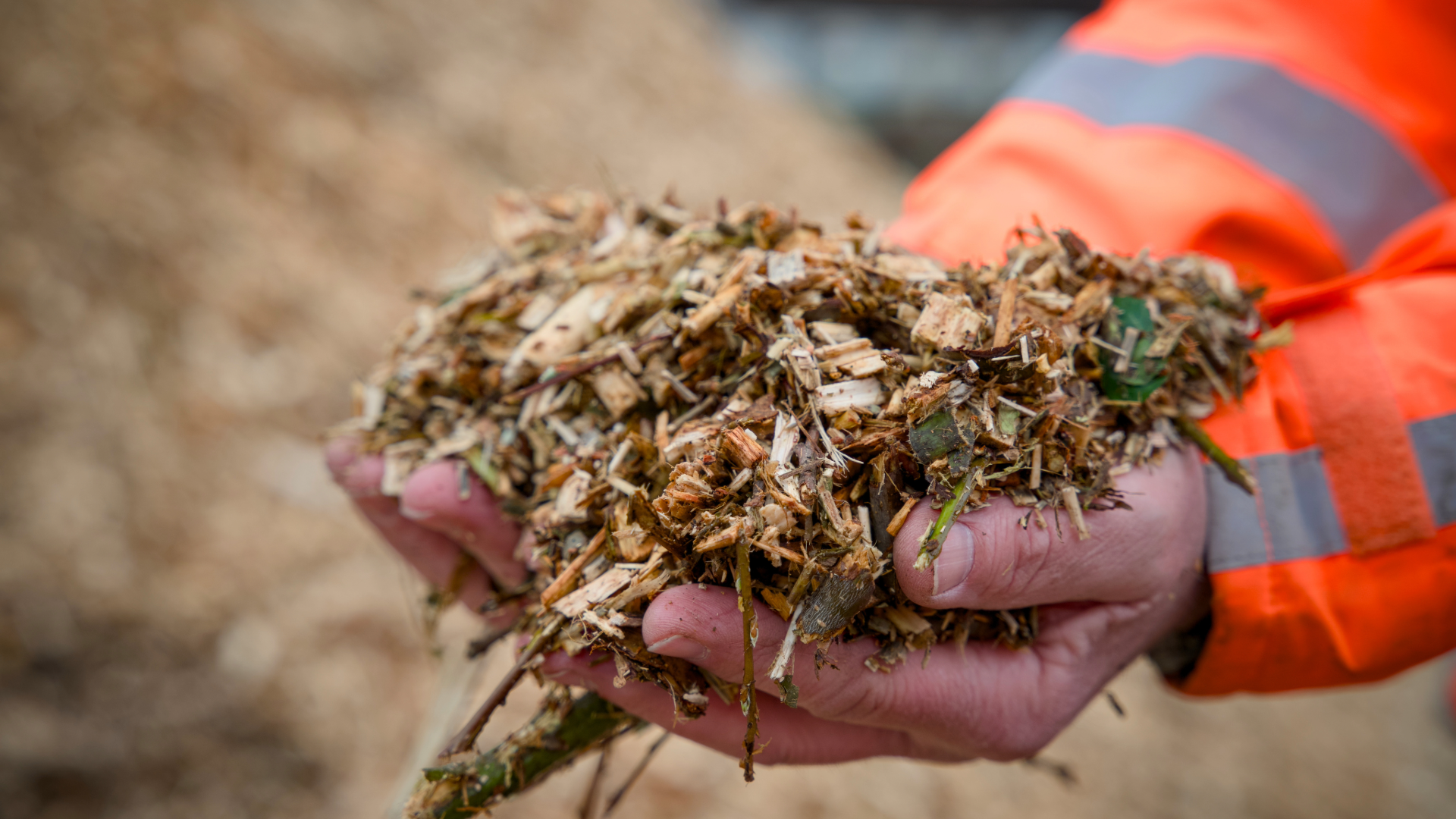
In energy terms, biomass refers to organic material from forestry, agriculture, and biogenic waste streams that can be converted into useful energy services. That includes wood and forestry residues, agricultural by‑products, organic municipal waste and manure, which can be burned directly for heat and power or processed into liquid and gaseous fuels. The European Commission explicitly describes biomass as an “important, sustainable source of renewable energy” for heating, electricity generation and transport fuels, underlining its continued policy relevance.
From a system perspective, the bullish case rests on flexibility and storage. Unlike variable renewables, biomass can be dispatched on demand and integrated with existing thermal infrastructure, providing firm capacity that complements wind and solar during the transition. IEA Bioenergy analysis highlights that shifting from traditional biomass use to modern bioenergy applications can deliver more energy services from less feedstock while improving health and air‑quality outcomes. In grids aiming to retire coal and, over time, reduce gas, this combination of renewability and controllability is not trivial.
Policy direction: tighter, but still supportive
If biomass were heading for a policy dead‑end, you would expect major jurisdictions to be phasing it out of their frameworks. That is not what current legislation shows. Under the European Green Deal and the revised Renewable Energy Directive (RED III), the EU has raised its 2030 renewables target and simultaneously strengthened sustainability criteria for bioenergy rather than removing it from the mix. New rules extend sustainability requirements to smaller installations, restrict sourcing from high‑biodiversity and high‑carbon‑stock areas, and codify the “cascading use” principle, which prioritises material uses of wood before energy.
Put differently, the policy signal is “do biomass better", not “do less biomass". That aligns with wider analyses arguing that, within a holistic policy view, biomass can make a meaningful contribution to decarbonisation if feedstocks are constrained to sustainable residues, wastes and carefully managed forests. For investors, this creates a clearer investable universe: projects that can document supply‑chain integrity and lifecycle emissions performance are being hard‑wired into long‑term transition pathways, while marginal, poorly governed feedstocks are gradually regulated out.
Economics and co‑benefits in a bullish framing
The bullish thesis is not built on ideology; it is built on where biomass performs uniquely well relative to alternatives. Modern bioenergy technologies allow direct combustion, gasification, anaerobic digestion and advanced biofuels production, turning low‑value wastes into heat, power and renewable fuels. Multiple studies and industry assessments emphasise three advantages: reduced lifecycle emissions relative to fossil comparators when sustainably sourced, reduced organic waste volumes, and support for local economies through feedstock supply chains and rural employment.
At system level, bioenergy can help balance high shares of wind and solar, support district‑heating networks, and provide renewable liquid fuels in sectors that are slow to electrify. That role becomes more, not less, important as grids decarbonise: the more variable capacity you add, the more value there is in low‑carbon flexibility that does not depend on weather. Investors looking at this through a transition‑risk lens see an asset class that is moving from volume‑growth logic toward “premium for compliance and flexibility" – smaller but more valuable niches anchored by policy and system needs rather than unconstrained expansion.
Bridge, not destination
The strongest version of the bullish stance still acknowledges limits. There is not enough sustainable biomass to replace all fossil fuels, and attempts to push the boundary via dedicated energy crops or intensive forest harvesting will continue to face pushback on land use, biodiversity and food security grounds. But within those constraints, bioenergy remains one of the few scalable options that can provide dispatchable low‑carbon energy, help manage waste streams and deliver local economic benefits.
On that basis, biomass looks less like a policy dead‑end and more like a precisely delimited bridge: constrained by sustainability rules, but still carrying a meaningful share of the system‑balancing and hard‑to‑abate load well into the 2030s. For investors operating within that frame, the question shifts from “biomass: yes or no?” to “which feedstocks, which technologies, which policies — and for how long in the transition curve?”