
The "Satellite" Solution: How Large Firms are Solving the RTO Space Squeeze
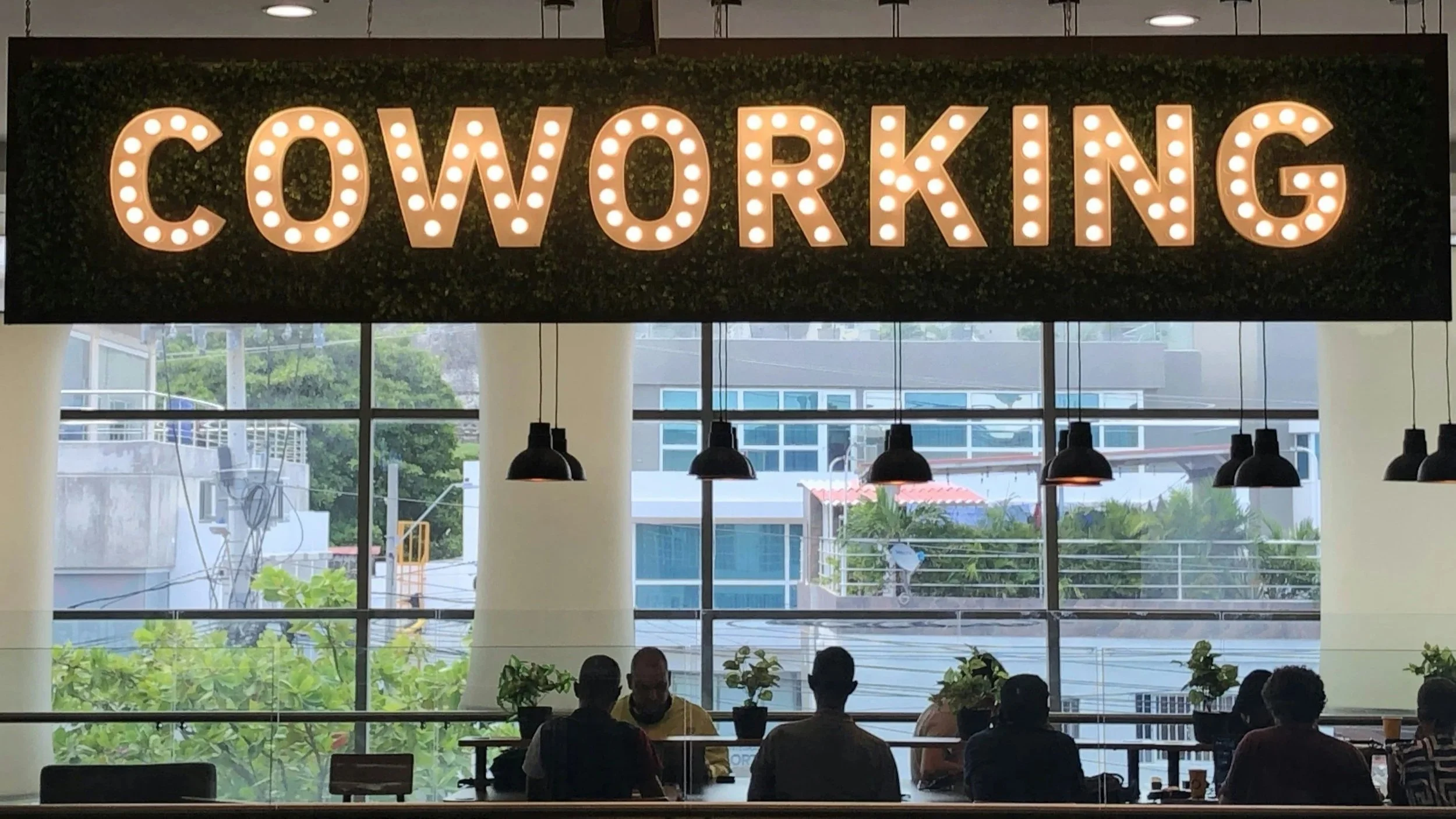
As we move through 2026, the corporate "Return to Office" (RTO) landscape has hit a physical wall. Business owners are facing a dual crisis: a workforce deeply resistant to losing the flexibility of remote work, and a literal lack of desks after years of shrinking office footprints to save on overheads.
The solution emerging for some of the world’s largest organisations—including Amazon, JPMorgan Chase, and Pfizer—is a pivot to "Satellite" co-working models. By trading massive city-centre HQs for distributed networks of shared workspaces, companies are finding a rare middle ground between corporate mandates and employee happiness.
The New Math of Office Space
The shift isn't just a trend; the data suggests a permanent structural change in the commercial property market. According to the latest CoworkingCafe industry report for Q4 2025, the U.S. co-working footprint grew by 17% over the last year, reaching 159 million square feet.
While co-working still represents only 2.2% of total office inventory, analysts at Yardi Research predict this could swell to 10% as larger firms abandon traditional long-term leases in favour of agile, short-term agreements.
Why Workers are Choosing the "Satellite" Over the "Ship"
The primary driver of employee resistance to RTO is the commute. By utilising shared workspaces located in suburban hubs rather than city centres, employers are "bringing the office to the worker."
Commute Reclamation: Satellite offices allow staff to capture the collaborative benefits of in-person work—mentoring, spontaneous brainstorming, and high-end amenities—without the two-hour train journey.
The "Experience" Upgrade: Modern co-working spaces are intentionally designed to be "worth the trip." Features like biophilic design (natural light and plants), quiet zones for deep focus, and on-site cafés often surpass the aesthetic and functional quality of dated corporate offices.
Community vs. Isolation: For many, the "Third Workplace" (not home, not HQ) solves the loneliness of remote work while avoiding the rigid surveillance of the traditional head office.
A Strategic Shift for Major Players
Unlike the early days of co-working, which was dominated by startups and freelancers, the current surge is led by the Fortune 500. 1. Agile Expansion: When companies like Lyft or Anthropic expand into new cities, they no longer look for 10-year leases. They seek out "bustling" shared workspace markets that allow them to scale up or down instantly.
2. The "Non-Dominant" Provider: The market has fragmented. Large corporations are moving away from single massive providers like WeWork in favour of independent, high-quality buildings that offer more tailored, purposeful environments.
3. Budget Flexibility: With 77% of businesses now expecting staff in the office three or more days a week, the "Satellite" model allows for unbudgeted growth. Employers pay only for the desks they use, rather than heating and lighting half-empty floors.
The Verdict: Intentionality over Footprint
The era of "expansion in every direction" is over. The co-working market of 2026 is moving forward with intention and purpose, focusing on scale, efficiency, and proven suburban markets. For the business leader, the question is no longer "How do I get them back to the office?" but "How do I provide a workplace that is actually better than their living room?"
Disclaimer: The content provided herein is for general informational purposes only and does not constitute financial or investment advice. It is not a substitute for professional consultation. Investing involves risk, and past performance is not indicative of future results. We strongly encourage you to consult with qualified experts tailored to your specific circumstances. By engaging with this material, you acknowledge and agree to these terms.