
India is about to release e-rupee
The country's Reserve Bank says that virtual currency will help the digital economy.
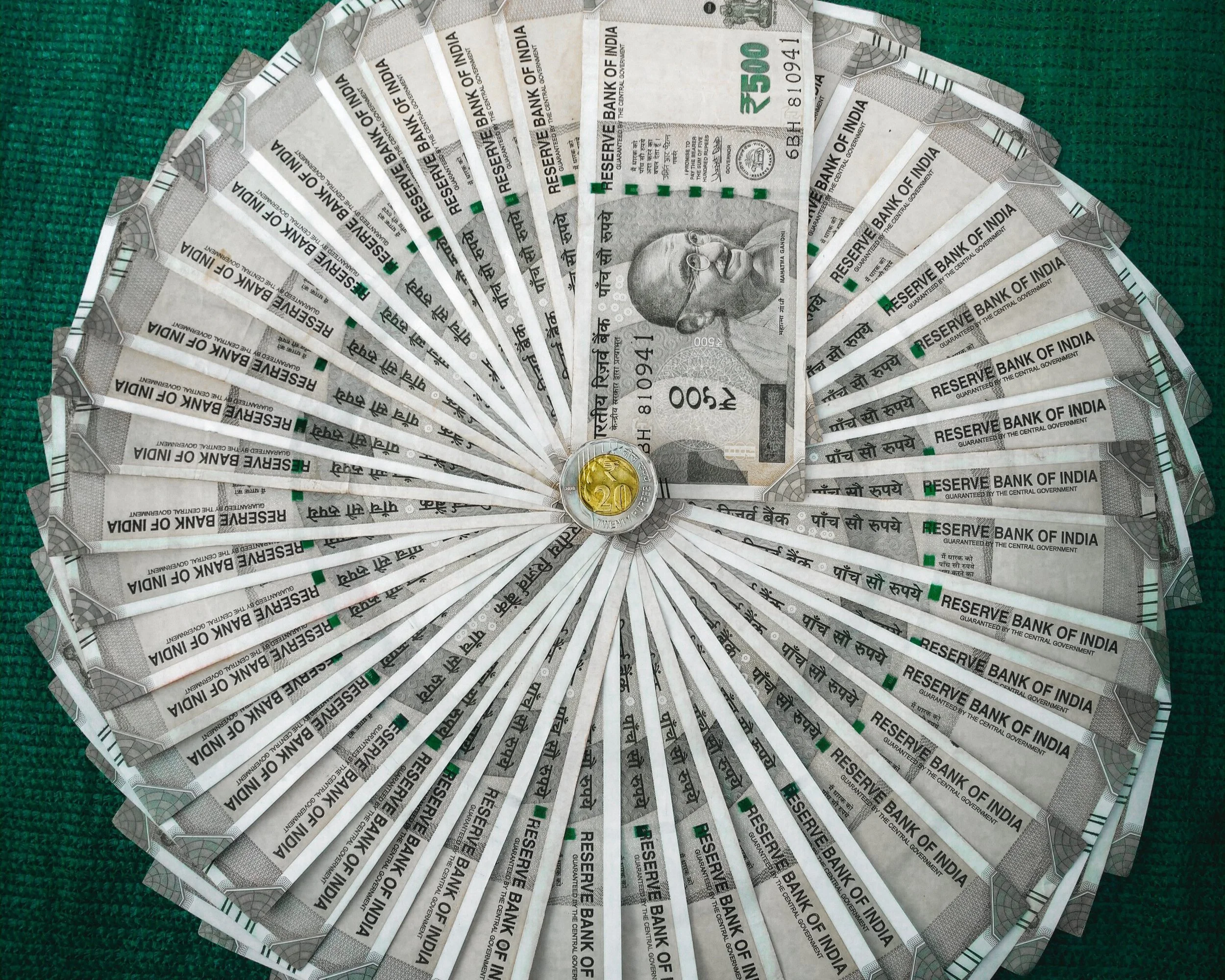
India is about to start using e-rupee. The Reserve Bank of the country says that virtual currency will help the digital economy.
The Reserve Bank of India (RBI) announced on Friday that it will soon start testing the much-anticipated Central Bank Digital Currency (CBDC), also known as the e-rupee, for specific uses.
The Central Bank said in a statement, "Right now, we are at the forefront of a major change in the history of money that will change the very nature of money and how it works."
The RBI says that the Digital Rupee is like sovereign paper currency, but it comes in a different form. It can be traded for the current currency at the same rate, and it will be accepted as a way to pay, legal tender, and a safe way to store value.
"The concept note also talks about important things like technology and design choices, how the digital rupee could be used, and how it would be given out," the regulator said.
The Reserve Bank of India (RBI) thinks that the digital rupee will lower the cost of issuing money and making transactions. This is because global monetary regulators are now trying to make electronic money more popular because paper money is becoming less and less used.
Retail CBDC, which is meant to settle interbank transfers and other wholesale transactions, could be used by anyone, including the private sector, people who don't use banks, and businesses.
Wholesale CBDC is an electronic version of cash that is mostly used for retail transactions. Certain financial institutions are only allowed to use it.
The RBI concept note says that the e-rupee will help India's digital economy, make it easier for people to get access to financial services, and make the monetary and payment systems run more smoothly.